Commercial high-rise structures reaching their second or third decade of operation often face severe vertical mobility bottlenecks. Geared traction machines that once met building capacity demands begin to exhibit increased mechanical vibration, rising thermal output, and escalating power consumption. Facility managers must determine whether targeted component modernization or complete machine room replacement delivers the most effective operational path forward.
Diagnostic Assessment of Machine Room Infrastructure
Before selecting a replacement drive system, structural engineers must evaluate existing overhead beam ratings, power feed capacities, and controller cabinet footprints. Geared assemblies feature heavy cast-iron worm gears that wear down over millions of operational cycles, introducing backlash and irregular acceleration profiles. Measuring gear backlash and motor shaft runout provides definitive physical evidence regarding remaining component life.
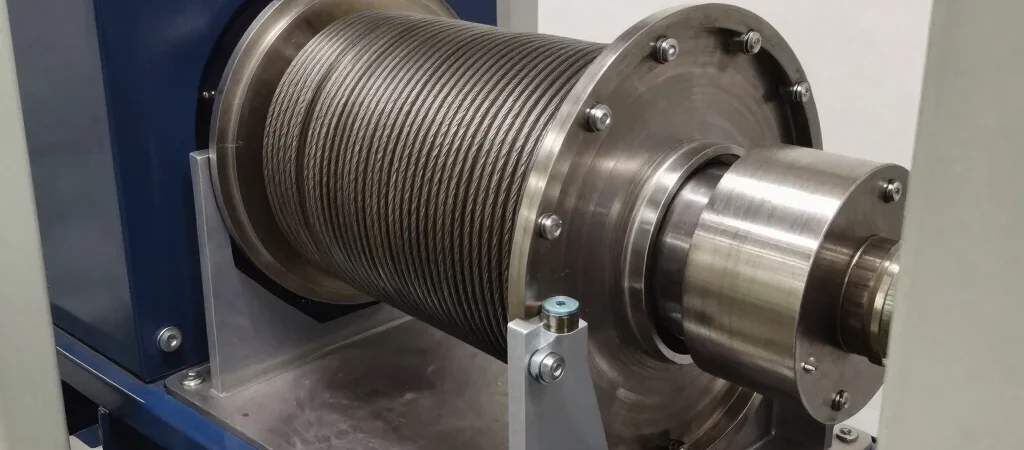
Transitioning to permanent magnet gearless machines eliminates mechanical gear contact entirely, removing a major source of friction loss and fluid breakdown. Modern gearless units fit directly onto compact bedplates, frequently reducing the overall mechanical footprint in overhead motor rooms. This weight and space reduction simplifies structural load calculations and creates safer workspace for ongoing service operations.
Energy Efficiency and Thermal Management Realities
Permanent magnet gearless motors draw significantly less amperage during peak acceleration cycles compared to legacy geared induction units. Regenerative variable-frequency drives convert kinetic energy during braking cycles back into clean electricity, feeding power back to the building grid. This reduction in operating temperature directly protects electrical insulation and extends the service life of control boards.
Staged Modernization Protocols to Preserve Tenant Flow
Executing elevator modernization in an occupied commercial building requires a phased shaft schedule to avoid crippling passenger throughput. Upgrading one hoistway at a time while reconfiguring dispatch controllers preserves continuous service for building occupants. Precise project planning ensures heavy rigging and shaft hoist work occur during off-peak hours without interrupting primary business routines.