Unscheduled vertical transportation outages in high-occupancy office towers instantly degrade property operations and tenant satisfaction. Waiting for mechanical failure before replacing worn door operators or brake linings creates compound wear across secondary drive components. A structured predictive maintenance protocol identifies wear long before a mechanical shutdown occurs.
Mitigating High Frequency Door Operator Mechanical Wear
Door operators complete millions of opening and closing cycles annually, making them responsible for nearly 70 percent of non-emergency service calls. Accumulation of shaft dust on track rollers, worn clutch interlocks, and belt tension drift cause subtle door cycling delays. Regular cleaning, alignment checks, and electronic torque recalibration prevent binding and reduce mechanical stress.
Traction Rope Equalization and Lubrication Protocols
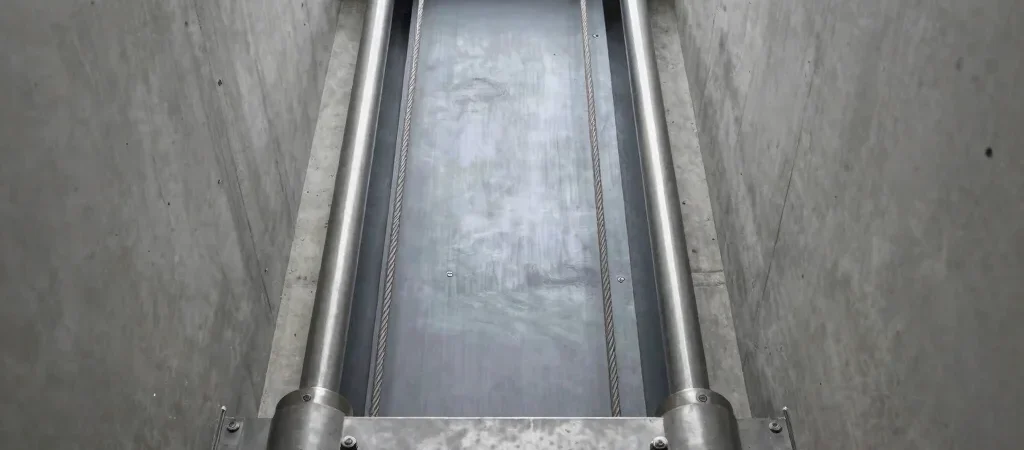
Unequal tension across hoist ropes causes uneven drive sheave groove wear and accelerates cable deterioration. Technicians use hydraulic tension gauges to verify equal weight distribution across every steel cable in the hoistway. Applying specialized synthetic lubricant protects internal wire strands from fretting corrosion without diminishing required sheave friction.
Guaranteed Service Response and Local Inventory Logistics
Zero-downtime performance relies on immediate access to certified replacement parts and rapid technician dispatch. Maintaining local regional warehouses stocked with spare relays, door shoes, and solid-state drives minimizes equipment waiting time. Partnering with a dedicated service provider ensures rapid response times when critical maintenance alerts trigger.